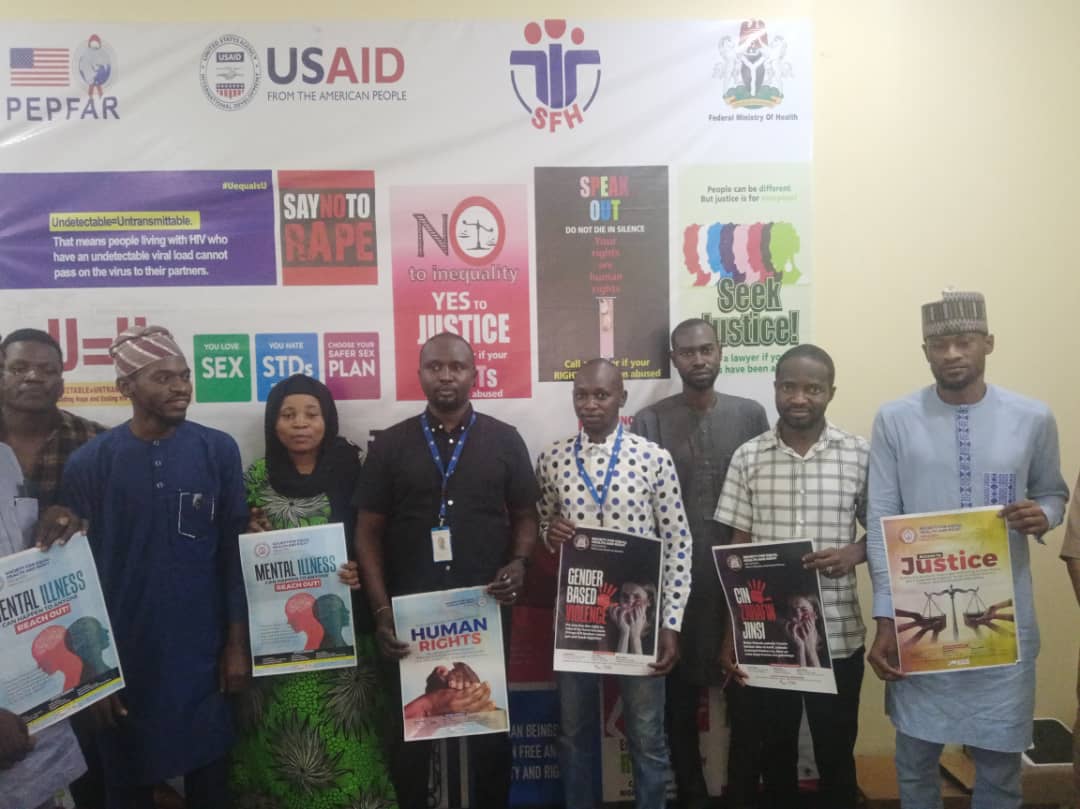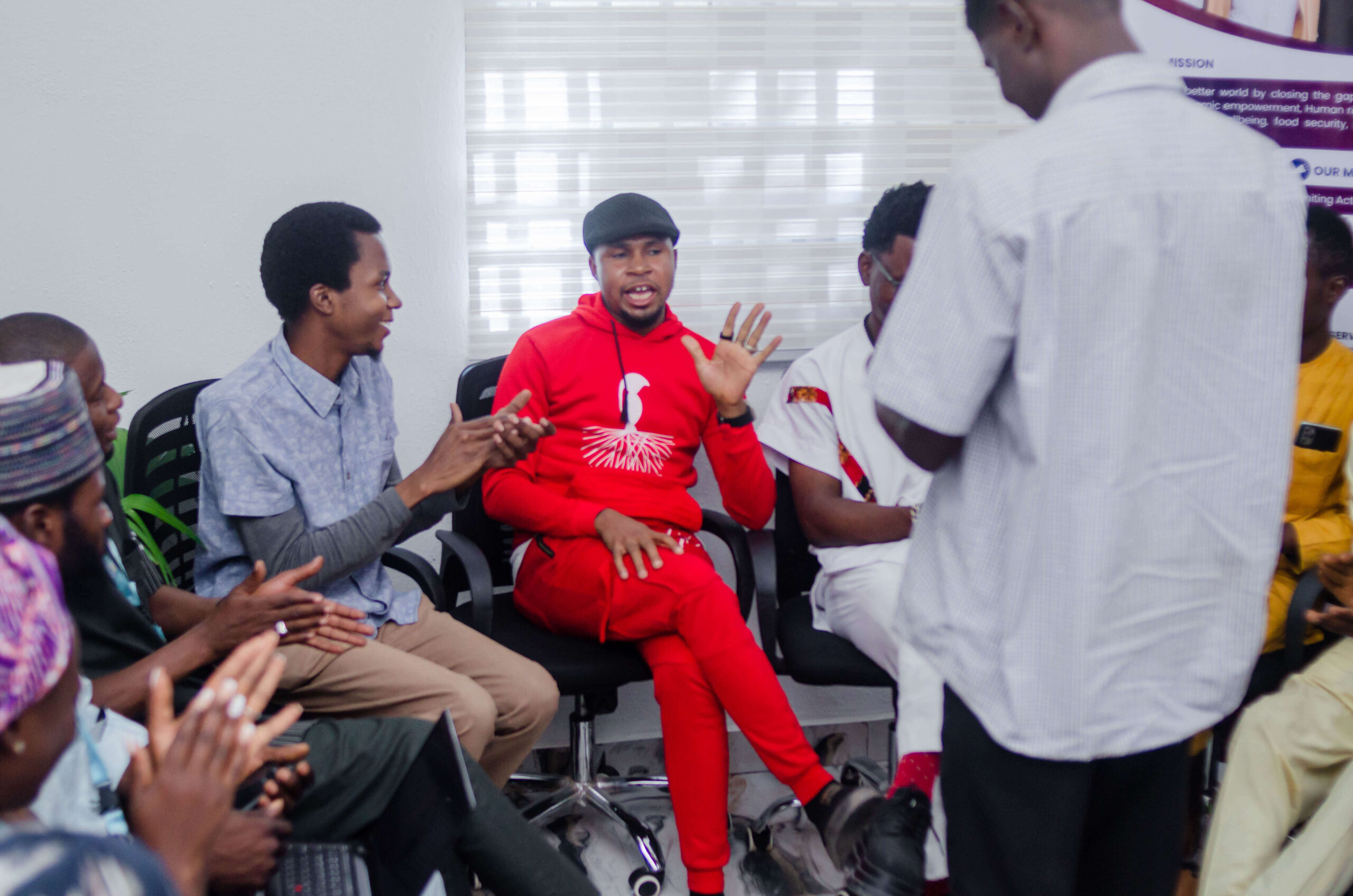
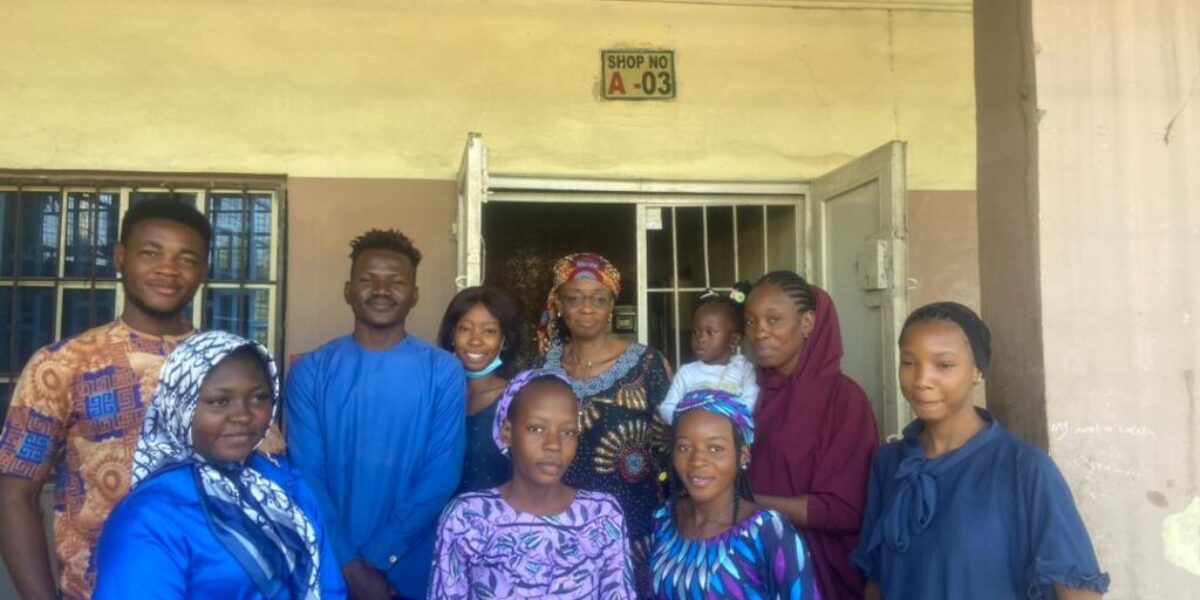
When the Safe House Project began in mid-2024, the need was urgent. Many LGBTQI+ individuals in Borno State were living without shelter, cut off from family support, and exposed to violence and discrimination.
To respond, SEQHER established a secure safe house in Maiduguri, offering immediate access to housing, food, and basic care. What started with a small number of residents quickly grew as more individuals were referred through trusted community networks across the state.
Beyond shelter, the project focused on helping beneficiaries rebuild their independence. Through programs like digital skills training, entrepreneurship workshops, and apprenticeship placements, participants gained practical tools to earn income and support themselves. Mental health support also played a critical role, with ongoing sessions designed to help individuals recover from trauma and build resilience.
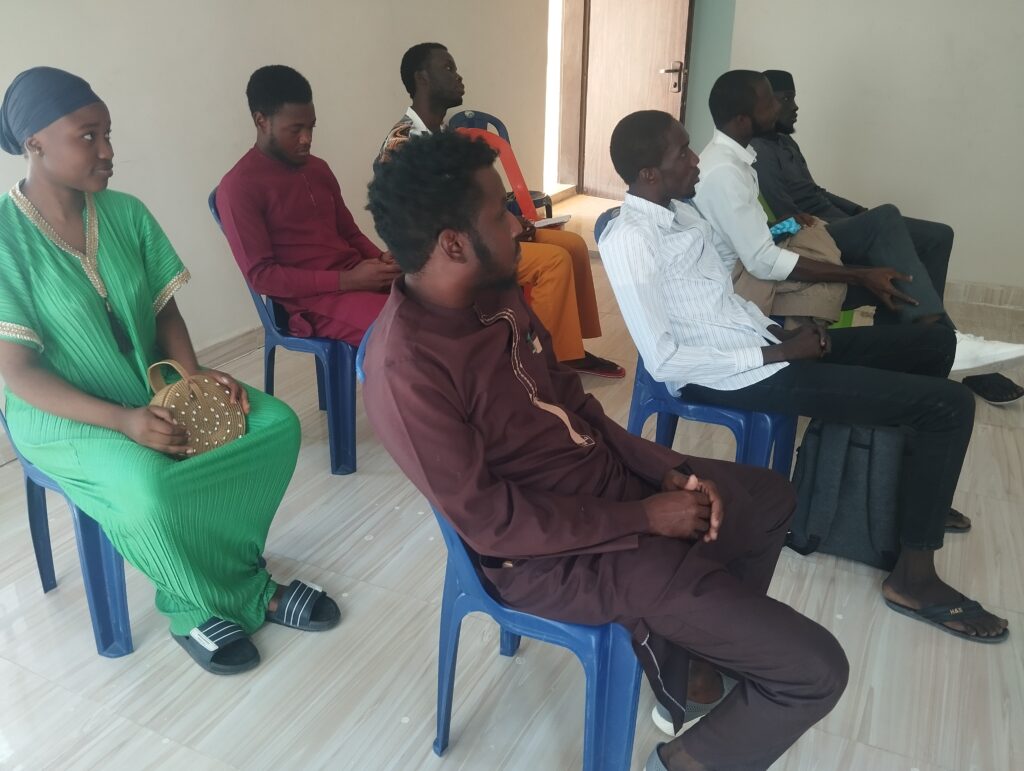
However, the journey was not without setbacks. Delays in funding, rising inflation, security threats, and severe flooding in Maiduguri disrupted planned activities and forced adjustments to timelines and resources. Despite this, the project adapted—providing emergency relief during the floods and continuing its programs under challenging conditions.
By the end of the 12-month period, the Safe House Project had impacted over 1,100 individuals. Many beneficiaries moved on to safer living conditions, secured income opportunities, and became more confident navigating daily life.
The project stands as a critical intervention in a high-risk environment, demonstrating how targeted support, community collaboration, and resilience can create meaningful change—even in the most difficult circumstances.